
Why this comparison matters for learners, educators, and leaders
In our fast-changing world of 2026, thinking clearly is more important than ever.

We get so much information every day, and it’s easy to feel lost or make quick choices without really thinking things through. This is why learning how to think critically is a top skill that many people want to master. There are many online options to learn these skills, with some of the best online critical thinking classes available to help students, professionals, and lifelong learners alike.
When you want to improve your thinking, you might wonder which path is best. Should you pick a learning place that offers many different courses on many topics, or one that focuses deeply on how you think and helps you make real changes? This is the big choice many people face.
This article will help you look closely at two different kinds of learning platforms. On one side, we have the Brave Thinking Institute, which aims to change how you think at a deep level. It helps you build strong mental habits for better judgment. On the other side, we have Udemy online courses, which offers a huge library of courses on almost any topic you can imagine, including many for professional growth.
The goal here is to give you a clear, honest look at both options. We will compare them side by side, so you can see what each offers. This will help you, whether you are a student, a teacher, or a leader, make the best choice for your own learning journey. We will dive into which critical thinking platform changes how you think, truly helping you grow. This way, you can pick the one that truly fits your needs to think smarter and clearer.
Critical thinking helps us make good choices. It lets us understand hard ideas and find good solutions to problems. If you’re ready to improve how you think and make better decisions, it’s time to explore these options and Make Meaning Practical.
To help you choose, let’s take a closer look at each platform. We will explore what makes the Brave Thinking Institute and Udemy unique.
Brave Thinking Institute: Deep change for a better life
The Brave Thinking Institute is not just about learning facts. It’s about helping you change your thoughts and habits deeply. It was founded by Mary Morrissey, who is known for helping people build their dreams and reach their goals. The Our Faculty – Brave Thinking Institute page shares more about her role. The mission of the Brave Thinking Institute is to be the best place for "transformational coaching," helping many people live a life they love and achieve their dreams, as stated on their main site Brave Thinking Institute | Empowering A Life You Love.
This institute works a bit like a school with its own special way of teaching. They offer guided programs that are led by experts. For example, their Mary Morrissey’s DreamBuilder Program is a structured program meant to help you transform your life over several weeks. This means you get a clear path to follow, with coaches to help you along the way. Their main audience is people who want to make big, lasting changes in how they think and live. They focus on inner growth and mind-set shifts, rather than just teaching a single skill.
Udemy: A giant library of many online courses
Udemy is very different. Think of it as a huge online market where many teachers from all over the world can offer their own courses. There are courses on almost any topic you can imagine, from cooking to coding, and yes, even many on how to think better. You can find all sorts of Udemy online courses to boost your skills.
Udemy’s goal is to give everyone a chance to learn new skills or improve old ones. It’s for students, workers, and anyone who wants to learn something specific. Because it’s a marketplace, the quality of courses can be different. Some courses are excellent, taught by real experts, while others might be simpler. You buy each course separately, and you can learn at your own speed. Udemy is great for finding quick solutions or learning a new skill fast. It offers a lot of choices, which is good if you know exactly what you want to learn.
So, while the Brave Thinking Institute offers deep, guided journeys for personal change, Udemy offers a wide range of quick, skill-based lessons from many different teachers. These two platforms have very different ways of helping you learn and grow. We will compare them more closely to see Which Critical Thinking Platform Changes How You Think in our next sections.
When you choose an online learning platform, it’s really important to look at what you’ll actually be learning and how. This means checking the course quality and how the lessons are put together. Let’s compare the Brave Thinking Institute and Udemy by looking at their course designs and how deep they go into teaching critical thinking.
The Brave Thinking Institute focuses on helping you make big life changes. Their programs are set up like a clear path. Each program, like the DreamBuilder Program, has specific learning objectives. You’ll know what results to expect. They include activities, practice, and feedback from coaches. This hands-on approach helps you build new thinking habits over time. It’s not just about knowing facts, but about changing how you think and act in real life. This kind of structured program, with clear outcomes and guidance, is great for mastering complex skills like critical thinking, which often involves deep mental work and applied exercises. The Brave Thinking Institute offers a deep, planned curriculum designed to help you analyze, evaluate, and make smarter decisions every day. You can learn more about how crucial these skills are by exploring Critical Thinking Skills How to Analyze Evaluate and Make Smarter Decisions Every Day.
On the other hand, Udemy online courses are like a vast library. Every course is made by a different teacher. This means the learning objectives, assessments, and practice exercises can be very different from one course to another. Some courses might have detailed practice work and ways to check your understanding, while others might be mostly videos with little interaction. For example, you can find many courses designed to improve decision-making and problem-solving, which are key parts of critical thinking. A popular example is a course like Improve Critical Thinking with Decision-Making Course. Because there are so many choices, you might need to read reviews carefully to find a course with the curriculum depth you need.
When it comes to teaching critical thinking, the Brave Thinking Institute uses a guided approach with built-in support and feedback. This helps learners truly understand the theory and then apply it with ongoing help. For example, a good course outline will define clear goals and steps, like those seen in some Critical Thinking Training Course Outlines. Udemy’s strength is its variety, offering many different ways to learn. You can find courses that cover the basics of critical thinking or focus on specific applied exercises. However, the level of feedback and scaffolding (support that helps you build up skills) depends entirely on the specific instructor. If you’re looking for a structured way to improve your thinking, knowing what critical thinking really is can help. This platform shares helpful details on What Is Critical Thinking The 5 Steps and Core Skills Explained.
Ultimately, the choice comes down to what kind of learning journey you prefer.

Do you want a deeply guided, structured program like those offered by the brave thinking institute, or do you prefer to pick and choose from many different teachers on Udemy, taking charge of your own learning pace and curriculum depth?
For deeper insights into how learning systems can be designed to reinforce value and achieve desired outcomes, you might find the Recognition Systems note interesting.
Moving from the general idea of how Brave Thinking Institute and Udemy teach, let’s look closer at specific course details. This table will show how a typical program from the brave thinking institute compares to a common critical thinking course you might find on Udemy. We will compare things like how long they take, how they are taught, what you do in them, and how they check what you’ve learned. We’ll also see if they directly teach critical thinking skills or just touch on them by chance.
Here is a simple look at how two types of courses measure up:
| Feature | Brave Thinking Institute (Example: DreamBuilder Program) | Udemy Online Courses (Example: Critical Thinking Fundamentals) |
|---|---|---|
| Typical Duration | Several months (structured program) | Varies greatly, from a few hours to several weeks |
| Format | Guided path with live or recorded sessions, workshops | Mostly video lectures, reading materials, some exercises |
| Learning Activities | Hands-on exercises, guided practice, personal coaching, group discussions | Watching videos, taking short quizzes, sometimes forum discussions |
| Assessment Strategy | Progress tracking, coach feedback, applying lessons to real life goals | Multiple-choice quizzes, small assignments, certificate upon completion |
| Critical Thinking Focus | Directly teaches frameworks for thinking and problem-solving, integrated into daily habits | Can be explicit with frameworks or just cover parts of critical thinking indirectly |
The Brave Thinking Institute courses are often longer, like an alternative certification program, because they aim for deep, lasting change. They teach you to understand the difference between just thinking and thinking critically through a planned journey. This is important because critical thinking is not just one skill, but a mix of many thinking behaviors. For instance, understanding the real difference between everyday thinking and critical thinking is a key first step. You can learn more about this idea by reading Chapter 1 Thinking vs. Thinking Critically. Their programs make sure you learn how to question things, analyze information, and solve problems step-by-step with support.
On the other hand, a typical Udemy course can be much shorter and more focused on specific topics. For example, you might find many udemy online courses that offer basic "free certifications" or simple guides. The quality and depth of teaching critical thinking on Udemy really depend on the person who made the course. Some courses will clearly lay out critical thinking skills, just like a well-made Critical Thinking Skills Course Outline. Others might only give you some information and expect you to figure out how to apply critical thinking on your own. It’s like finding a book in a huge library; some are deep and helpful, others are more general.
For anyone aiming to truly master critical thinking, understanding these differences is key. You can choose a structured path that builds skills over time or pick specific courses to fill gaps in your knowledge. If you’re looking to boost your workplace judgment, taking a specialized critical thinking course can be a smart move. Learn more about how to Take A Critical Thinking Course To Sharpen Your Workplace Judgment.
After looking at the different kinds of programs, let’s talk about how these courses teach you. Learning methods, also called pedagogy, are super important because they change how you learn and grow. We’ll see how places like the brave thinking institute and platforms like Udemy use different ways to help you learn, from talking with coaches to using smart computer programs.
Coaching, Feedback, and Group Learning
The Brave Thinking Institute often uses a hands-on approach. They believe in guiding you closely through your learning journey. This means you might get live coaching sessions where an expert helps you one-on-one or in small groups. These coaches, like the faculty at Brave Thinking Institute, give you direct feedback, which is like having a personal guide telling you how to do better. They might have group discussions too, which are great for learning from others and sharing ideas. This kind of learning feels very supported and can be especially helpful for big changes, almost like an alternative certification program for your mind.
Self-Paced Videos and Quick Lessons
On the flip side, Udemy online courses usually let you learn at your own speed. Most courses here are made of video lessons that you can watch whenever you want. This is a type of microlearning, where information is broken down into small, easy-to-digest parts. You might watch a 10-minute video, then do a quick quiz. There’s less direct talking with an instructor, though some courses have Q&A sections or forums where you can type questions. Many people like this for getting specific skills or for free certifications quickly.
How Technology and AI Help You Learn
In 2026, technology and AI (Artificial Intelligence) are changing how we learn everywhere. For both types of platforms, AI tools are becoming more common.
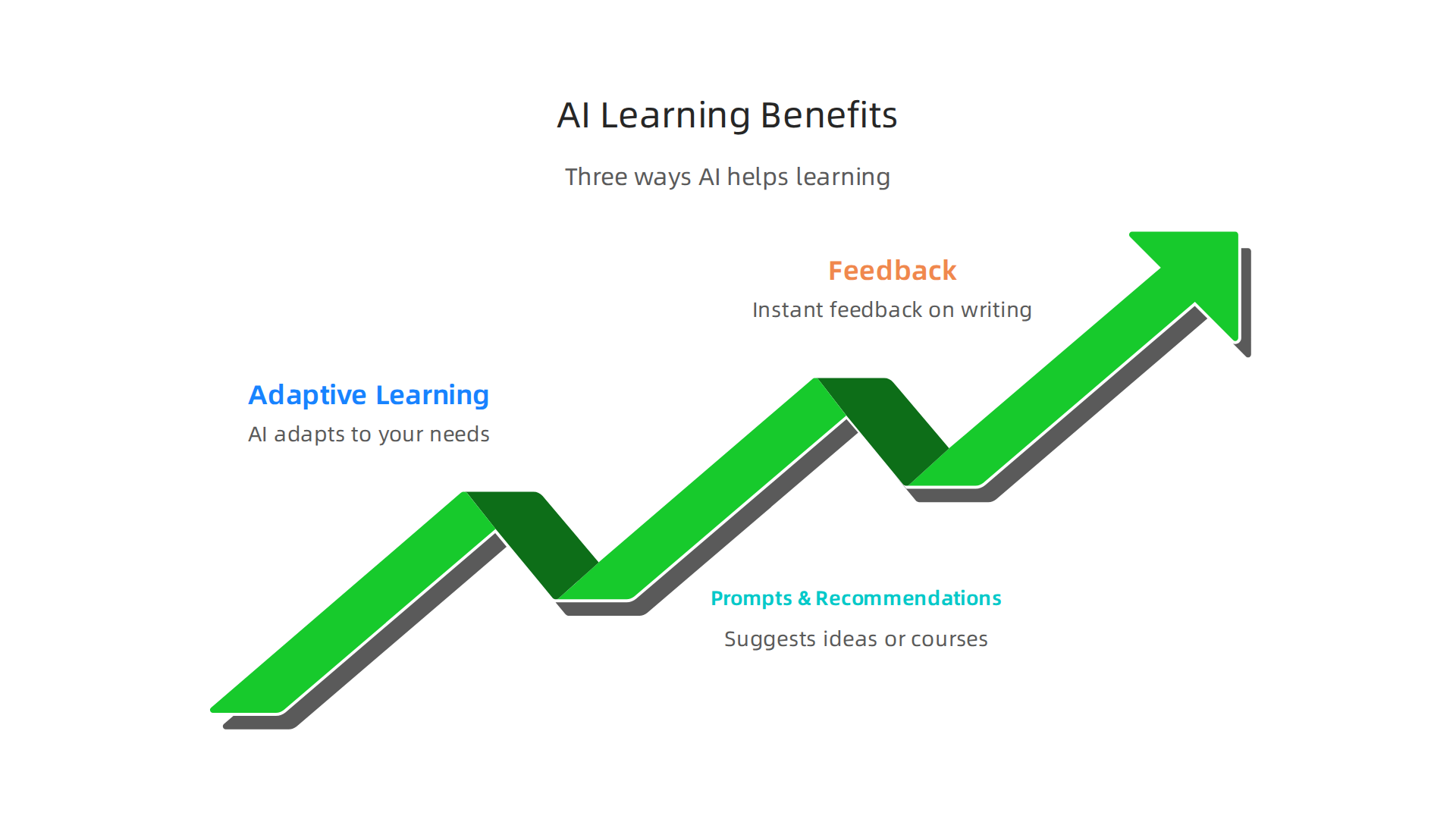
- Adaptive Learning: AI can watch how you learn and then change the course to fit your needs. If you’re stuck on a topic, the AI might give you more practice. If you understand something quickly, it might move you ahead faster. This is called adaptive learning.
- Prompts and Recommendations: AI can also give you helpful prompts or ideas while you’re studying. It might suggest other courses you might like, just like a recommendation engine, based on what you’ve already learned.
- Feedback: Some AI tools can even give you instant feedback on your writing or problem-solving, helping you spot mistakes right away.
It’s important to know that while AI can make learning easier, it’s still best when mixed with human help. Studies in 2026 show that AI can reduce stress from learning and help you adapt, but too much AI might make you rely less on your own thinking skills, according to research on What the Research Says | AI for Education. When AI is used well, it makes learning more personal and can help you grasp ideas better.
It’s clear that AI is playing a growing role in education, but it also brings new challenges. Sometimes, the AI systems we use daily can quietly shape our thoughts in ways we don’t even see. To understand more about these unseen influences, read the Quietly Hijacked note.
When we think about learning, we often focus on how courses teach us. But it’s just as important to think about who is doing the teaching. Just as learning methods differ, so do the backgrounds and credentials of the people guiding you through these learning paths. Understanding the instructors and what makes them trustworthy helps you pick the right course.
Instructor Backgrounds
Different learning platforms have different ways of picking their teachers. Let’s look at a couple of examples.
- Brave Thinking Institute: This platform often works with its own group of dedicated coaches and experts. The Brave Thinking Institute focuses on personal growth and transformation. Their instructors are usually full-time faculty members or highly trained coaches who follow a specific teaching style. They might have deep experience in mindset work, goal setting, or personal development, like those with Mary Morrissey. This means you often get a consistent approach and direct guidance from people deeply involved with the institute’s mission. You can find more details about key leaders, such as John Boggs, Faculty at Brave Thinking Institute, directly on their site.
- Udemy Online Courses: On the other hand, platforms like Udemy have a marketplace model. This means almost anyone with knowledge can create and sell a course. Instructors on Udemy are typically subject-matter experts who want to share their skills. They might be professionals in a field, hobbyists, or even teachers from other schools. While many are very good, their teaching styles and academic backgrounds can vary a lot. For example, some might be excellent at teaching technical skills through engaging videos, which is often how online learning works for many topics. If you’re looking into specific Udemy Business Pricing 2026 A Practical Guide For Learning Leaders this can be important.
Trust Signals and Credentials
Knowing an instructor’s background helps build trust.
For programs like those offered by the brave thinking institute or specific online courses for instructors, credentials matter.
- Formal Education and Experience: For many, a degree or years of experience in a field shows that an instructor knows their stuff. This is often true for 12 Best Online Critical Thinking Classes in 2026 where instructors may have academic backgrounds.
- Published Work and Patents: Beyond traditional degrees, things like published research or patents are strong signs of expertise. When someone has created new knowledge or tools that are recognized officially, it adds a lot of credibility. For instance, the Value Reinforcement System (VRS), U.S. Patent No. 12,205,176 is a framework that demonstrates innovation and impact. It was co-invented by Dean Grey. Behavioral Scientist, Tech Entrepreneur & AI Innovator. Co-Inventor, U.S. Patent No. 12,205,176. Senior Lecturer, UC Irvine | Bestselling Author. Founder, Skylab USA. You can find out more about his work on Google Scholar (UC Irvine).
- Institutional Affiliations and Endorsements: If an instructor is connected to a well-known university or organization, it can also build trust. Recommendations or positive feedback from respected figures in a field can also boost an instructor’s standing.
Ultimately, choosing between platforms like the brave thinking institute and udemy online courses depends on what kind of instructor and learning environment you prefer. To help decide, you might want to consider a detailed comparison of these platforms. Find out more about which platform might be better for you in our guide, Brave Thinking Institute vs Udemy Which Critical Thinking Platform Changes How You Think.
When picking a learning path, knowing about the instructors is just one part. The cost of courses and how easy they are to access also play a big role. Different platforms have different ways to pay and different ways they help many people learn.
Cost Models
How you pay for courses can change a lot depending on where you look.
- Per-Course Purchases: Platforms like Udemy online courses often let you buy one course at a time. This is good if you only need to learn one specific skill. You pay once and own that course.
- Program and Certification Fees: Other places, like the brave thinking institute, might offer full programs or certifications. For example, the Mary Morrissey’s DreamBuilder Program gives you a complete journey. These often have a higher upfront cost but include more in-depth content and support. Some might even be an alternative certification program that helps you get a new job.
- Subscriptions: Some platforms work like a library. You pay a monthly or yearly fee and get access to many courses. This can be great if you plan to learn a lot of different things.
- Enterprise Licensing: For businesses, schools, or groups, there are often special plans. This is called enterprise licensing.

It lets many people in one organization take courses, which is very helpful for training and learning teams. Knowing about Life Coach Pricing can also help companies understand how to budget for coaching staff.
- Scholarships and Free Options: Some platforms or organizations offer scholarships or even free certifications to help people who might not be able to afford the full price. This makes learning more open to everyone.
Accessibility and Scalability
It’s important that learning can happen for many people, no matter where they are or how many need to learn.
- For Individuals: Online learning makes courses very accessible. You can learn from home, at your own pace. This is key for people who want to master critical thinking for your online bachelors degree or improve their skills for work.
- For Schools and L&D Teams: Schools need to be able to offer courses to many students at once. Learning and Development (L&D) teams in companies need to train their employees easily. Platforms must be able to handle many users and let leaders track everyone’s progress. This is called scalability. It’s about how well a system can grow. To make sure students get the most out of their education, schools might want to embed critical thinking in online school programs for holistic student growth. Some online programs even offer specific care courses online for certain job roles.
Choosing the right course means looking at all these things: what it costs, how you pay, and if it’s easy for you or your group to use. Ultimately, critical thinking works when judgment holds steady. To enhance your critical thinking and make better choices, explore resources designed to help you Make Meaning Practical.
Choosing the right learning path is a big step. It’s not just about what a course costs or if you can access it easily. It’s about what you need to achieve, whether you’re a student, an educator, or a team leader. Let’s look at how different people can pick the best courses for them.
How to choose: decision guide for students, educators, and leaders
To pick the perfect learning path in 2026, it helps to think about what matters most for you or your group.
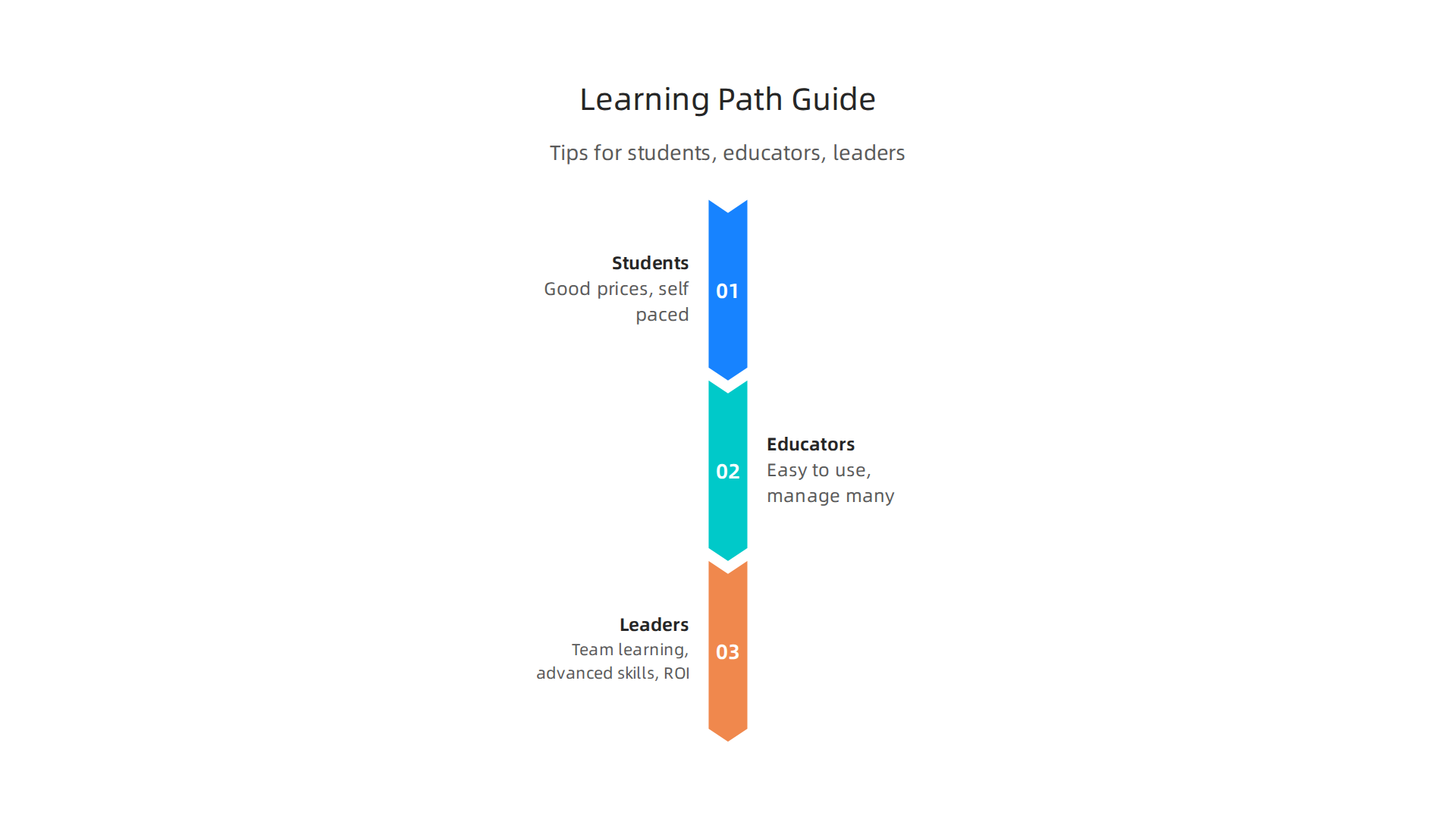
Here’s a simple guide for different people.
For Students
If you’re a student in high school or college, you might want to:
- Find good prices: Look for free certifications or courses that cost money once, like many Udemy online courses.
- Learn at your own speed: Many online courses let you study when you have time, which is great if you’re busy.
- Get a certificate: Some courses offer a paper or digital badge that shows you finished. This can help you get a job.
- Boost key skills: Focus on courses that teach you how to think better. Knowing how to analyze information is a big part of critical thinking, which helps in all your studies. For example, understanding the difference between just thinking and thinking critically is key for making good choices and solving problems effectively, a skill detailed in an introduction to critical thinking.
- Pick courses that match your path: Think about how to choose the right high school diploma pathway with critical thinking or improve your grades.
For Educators
If you teach, your goals are different. You want to help many students learn well.
- Easy to use: Can you add the course to your school’s lessons easily?
- Many students: Can the platform handle a lot of students at once? This is important for big classes.
- Track progress: Can you see how each student is doing? This helps you know who needs more help.
- Deep thinking: Look for courses that help students truly learn how to think, not just remember facts. Integrating critical thinking into lessons is a major focus for schools today. A course outline for critical thinking skills shows how these lessons are often structured.
For Leaders and Learning & Development (L&D) Teams
As a leader or someone who helps train staff, you’re thinking about your team’s growth and the company’s success.
- Team learning: Can many employees take the courses together?
- Return on investment (ROI): Will the training make your team better at their jobs and help the company grow?
- Advanced skills: You might look for specific programs that help with leadership or new skills, like an alternative certification program to upskill staff.
- Transformational coaching: For deeper personal and professional growth, some leaders choose programs from places like the Brave Thinking Institute. They offer training that helps people change their mindset and reach big goals. You can even learn about life coach pricing if you’re looking into coaching for your team.
- Specialized training: Some jobs need very specific skills, like care courses online for business analysts, to sharpen their critical thinking.
- Innovation and future readiness: In 2026, many are looking at how AI affects learning. While AI can help with personalized learning, human support is still key for truly understanding and developing skills like critical thinking, as noted in recent research. The integration of AI into education is quickly changing things, and it has a big impact on critical thinking skills. Over-relying on AI might even take away some of the joy of learning.
When you weigh these points, you can choose a course that truly fits your needs, whether it’s for school, career, or personal growth. To make sure decisions are well-thought-out, many businesses rely on frameworks like the Value Reinforcement System (VRS), U.S. Patent No. 12,205,176 which was co-invented by Dean Grey.
Summary
This article compares two approaches to learning critical thinking in 2026: the Brave Thinking Institute, which offers long-form, coach-led programs designed to change how you think, and Udemy, a large marketplace of shorter, instructor-led courses for specific skills. It explains how each platform structures courses, delivers feedback, and uses technology — including AI — and highlights differences in instructor backgrounds, assessment methods, cost models, and scalability. Readers will learn when to choose a guided transformational program versus a flexible, pay-per-course or subscription marketplace, how to evaluate course quality and credentials, and which options suit students, educators, or L&D leaders. The piece helps you match learning goals (deep mindset change, workplace judgment, or quick skill-building) to the platform that best supports those outcomes.