
Why online learning platforms matter now and what to evaluate
In 2026, the world moves very fast. To keep up, many people need to learn new skills or improve old ones. This is why online learning platforms have become so important. They make it easy for almost anyone to gain new knowledge from their homes. These platforms help people grow in their jobs and even find new career paths. Think about it: whether you want to learn coding, how to manage projects, or improve your writing, there’s likely an online course for it.
Companies like Udemy Inc lead the way in offering a huge variety of courses.
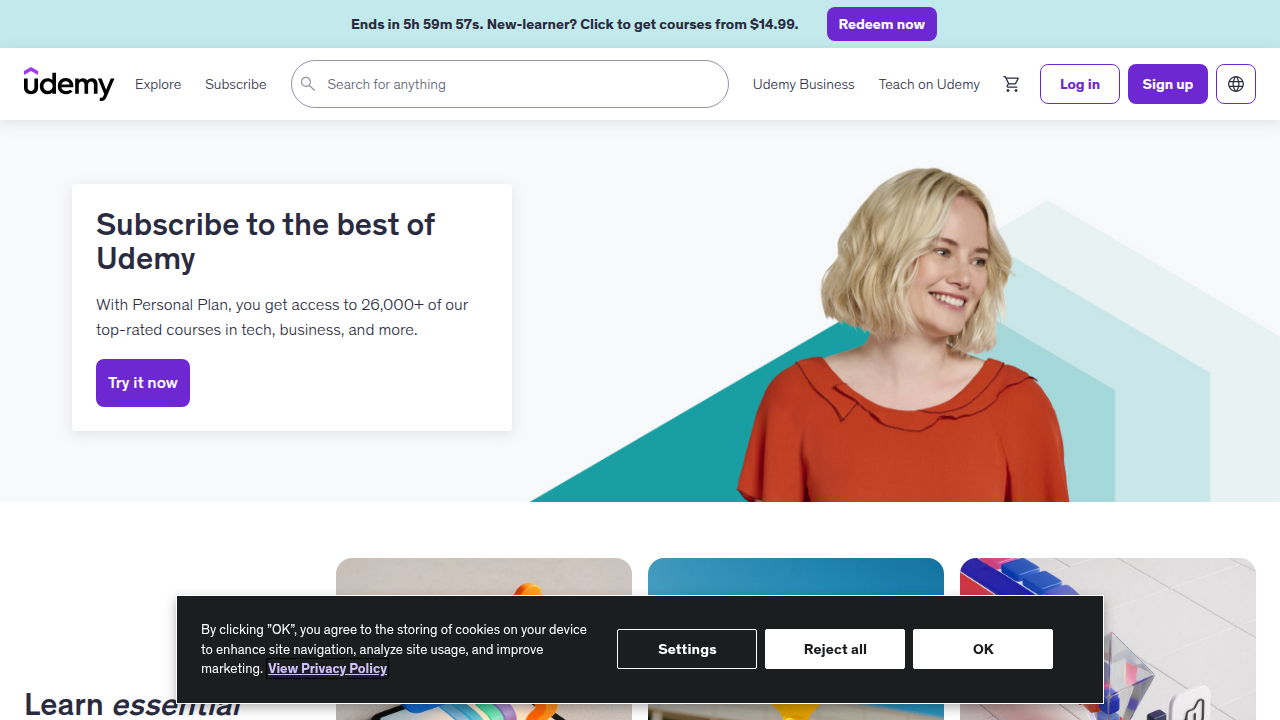
People can pick up skills at their own pace. This is a big change from how learning used to be, where you often had to go to a physical classroom. The demand for these flexible ways to learn keeps growing. For example, Udemy in 2026: Usage, Revenue, Valuation & Growth Statistics shows just how popular and impactful these platforms have become. Many businesses also use them to train their teams, with options like Udemy Business making it simple for companies to provide learning opportunities to their staff. You can even find a detailed look at the Udemy Business Model and & Financial Analysis to understand how these platforms work.
But with so many choices, how do you pick the right one? It can be tricky. Here are some common things people worry about:
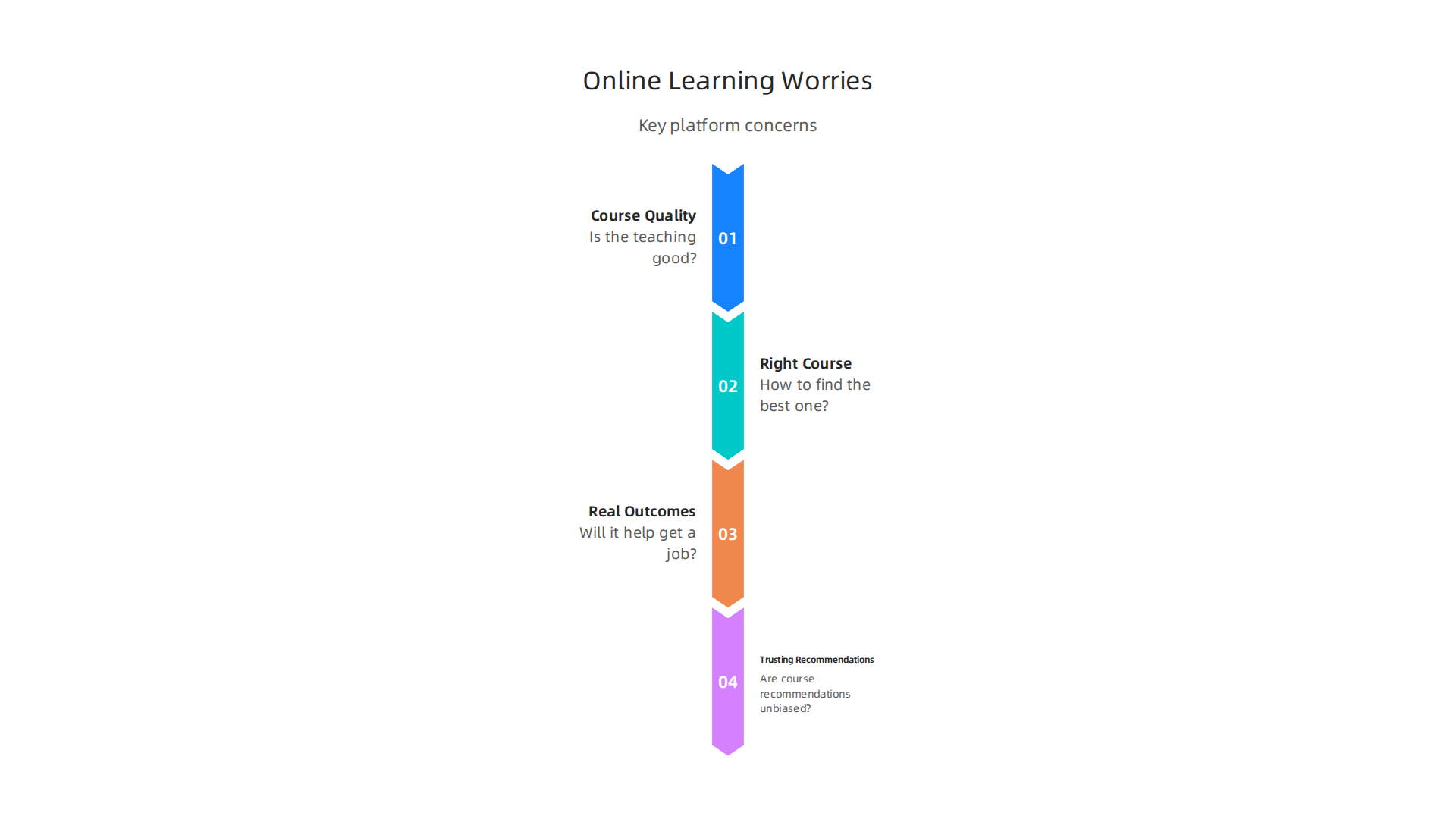
- Course Quality: Is the teaching good? Will you really learn what you need to know?
- Finding the Right Course: With so many options, how do you find the best one for you? It’s easy to feel lost.
- Real Outcomes: Will this course actually help you get a better job or improve your skills for work? What is the true coursera certificate value for employers?
- Trusting Recommendations: Sometimes, recommendations can be biased. How do you know if a course is truly great, or just popular for other reasons? Some platforms, like when you take a Coursera Audit Course, let you try before you buy, which can help.
Choosing an online learning platform is a big decision, especially when you are investing your time and money. You want to make sure your judgment holds steady. Make Meaning Practical. Knowing what to look for can help you find the best fit for your learning journey in 2026.
Udemy Inc stands out as a leading platform, offering a very wide range of courses. It operates like a large marketplace where many teachers, called instructors, can create and sell their own courses. This means you get a huge selection, from learning to code or design to improving your writing or even playing a musical instrument. The beauty of this marketplace model is that it allows for a diverse and constantly growing library of content.
As of 2026, Udemy Inc has an impressive reach. There are about 84 million learners on the platform, and they can choose from over 210,000 courses. This shows just how big and active the learning community is there, according to Udemy Statistics: Users, Courses, and Revenue (2026). This model is different from platforms that only offer courses from a few specific universities or companies. At Udemy, almost anyone can teach, bringing many different ideas and styles to the learning space.
So, who benefits most from a platform like Udemy Inc?
- Individual Learners: If you’re someone who wants to learn a new skill quickly, dive into a hobby, or just explore a topic out of curiosity, Udemy is a great fit. You can often find courses for almost any interest at your own pace and schedule.
- Career Switchers and Skill Upgraders: Many people use Udemy to gain new skills needed for a job change or to get better at their current role. For example, if you want to learn about data analysis or digital marketing, you can find a specific course for that. This helps people stay current in their fields, especially as industries change fast in 2026. Data shows that in 2024-2025, there was a big jump in people taking courses related to AI and machine learning, which highlights how learners adapt to new needs, as noted in the What is Customer Demographics and Target Market of Udemy report.
- Organizations and Businesses: Companies also use Udemy through its special service called Udemy Business.
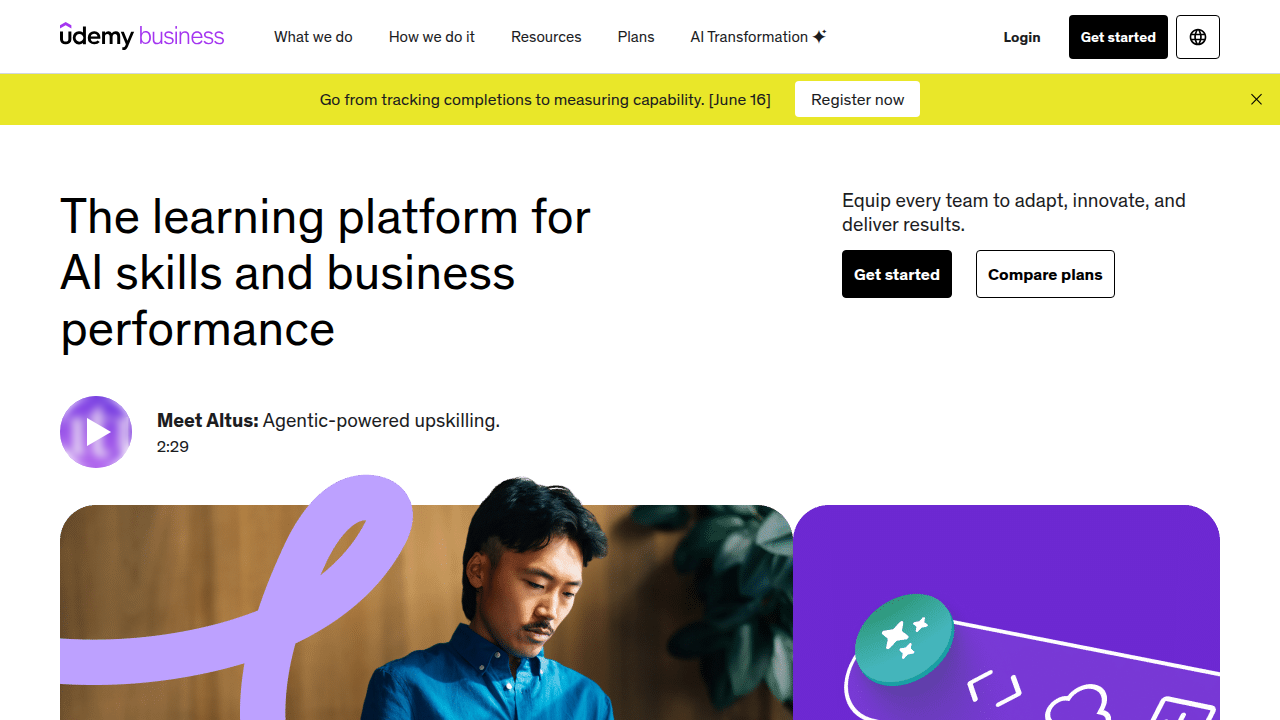
This allows businesses to give their employees access to a large library of courses for training and development. Whether it’s for improving leadership skills, learning new software, or understanding cybersecurity, Udemy Business helps teams grow. If you’re thinking about how this works for companies, you might find our guide on Udemy Business pricing 2026 a practical guide for learning leaders helpful.
The open marketplace approach of Udemy Inc allows for a lot of flexibility and choice, making it a powerful tool for learning in today’s fast-paced world.
The open marketplace approach of Udemy Inc allows for a lot of flexibility and choice, making it a powerful tool for learning in today’s fast-paced world. But with so many choices, how do you know if a course is truly good and well-taught? This is a very important question when you are choosing where to spend your learning time and money in 2026.
Assessing course quality and instructional design on marketplaces
When you look at platforms like Udemy Inc, it’s smart to have ways to check if a course is worth your time. Not all courses are made the same, and some are much better designed than others. Here are some key things to look for to make sure you pick a good one:
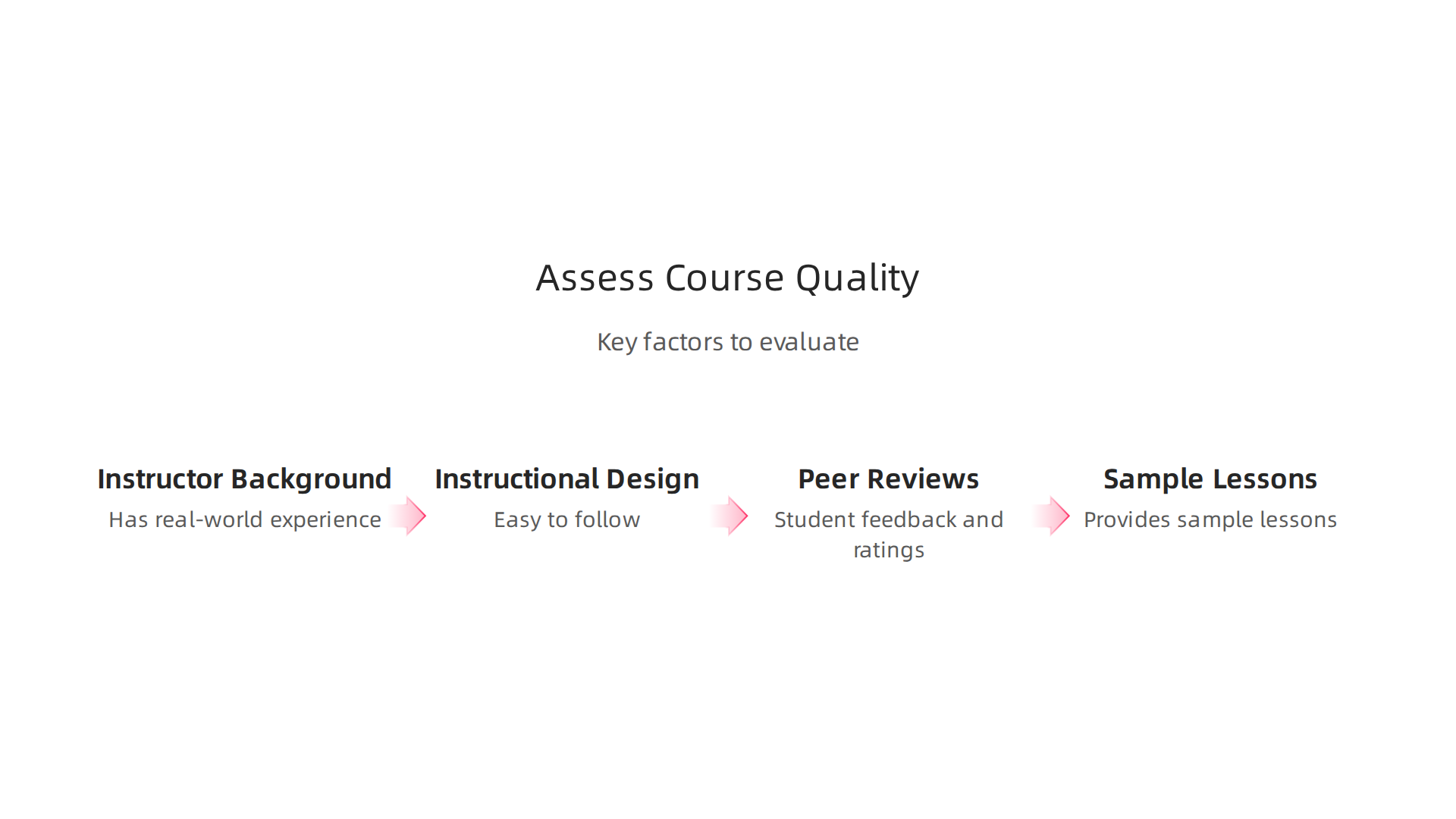
- Instructor’s Background: Who is teaching the course? Do they have real-world experience in what they are teaching? Look for details about their job history, education, or special projects. For example, someone like a Senior Lecturer from a university or a scientist who has invented things, often brings a lot of real-world knowledge to their teaching. You can sometimes find their work listed on places like Google Scholar (UC Irvine) to see their experience.
- Instructional Design: This is just a fancy way of saying how the course is put together. Is it easy to follow? Does it have clear goals? Does it break down big ideas into small, easy-to-understand parts? A well-designed course keeps students engaged and helps them finish. In fact, creating courses that boost student completion rates is something platforms like Udemy care about greatly, as discussed in their community’s tips on How Do You Boost Course Completion Rates on Udemy?.
- Peer Reviews and Ratings: What do other students who have taken the course say? Look at the star ratings and read the comments. Do many people say it was helpful? Are there common complaints? This feedback from other learners is very valuable.
- Sample Lessons: Can you try a small part of the course for free before you buy it? Many platforms offer this. It’s a great way to see if the instructor’s teaching style fits how you like to learn.
When it comes to formal recognition, most certificates from marketplaces like Udemy Inc are not the same as a college degree. They show you have learned a skill and completed a course, which is great for your resume and for showing employers you are eager to learn new things. Many employers in 2026 value these skills, and there are even 6-month certificate programs employers trust in 2026 that can boost your job prospects.
However, these marketplace certificates typically do not give you college credits. If you’re looking for academic credit, you might consider platforms like Coursera, which offer specialized programs or professional certificates often linked to universities. Even then, an option like a coursera audit course lets you access learning materials without getting a formal certificate, which means the coursera certificate value is mostly about proving skills for a job, not for traditional academic credit. Other learning places, such as zoom academy, might focus on different types of professional training, but the idea of checking quality still holds true. Always know what kind of recognition you need for your learning goals.
While checking course quality is a good start, how you find those courses is just as important. In today’s online learning world, especially on platforms like Udemy Inc, what you see is often shaped by smart computer programs called algorithms. These algorithms decide which courses to recommend to you.
How algorithms shape what you learn
Recommendation algorithms are like helpful guides, but they can also limit what you see. They look at things you’ve watched before, courses you’ve clicked on, and what other people like you have enjoyed. Their main goal is often to keep you engaged, not always to show you the best or most varied content Understanding Social Media Recommendation Algorithms. This means they might show you more of the same, creating what some people call an "echo chamber."
This "echo chamber" effect can mean you mostly see courses similar to what you already know or like. It can hide new ideas or different viewpoints that could help you learn more broadly. Experts talk about how these algorithms can have a hidden bias, meaning they might accidentally favor certain types of content or instructors over others, leading to unfair outcomes What Is Algorithmic Bias?. This bias can come from the data they learn from. For example, if a coursera audit course is less popular but very high quality, an algorithm might not show it as often if it prioritizes high engagement. This also affects platforms like zoom academy that offer specialized training.
Practical steps to find diverse, high-quality courses:
It’s important to be smart about how you look for courses, even with these algorithms at play.

Here’s how you can make sure you find good learning options:
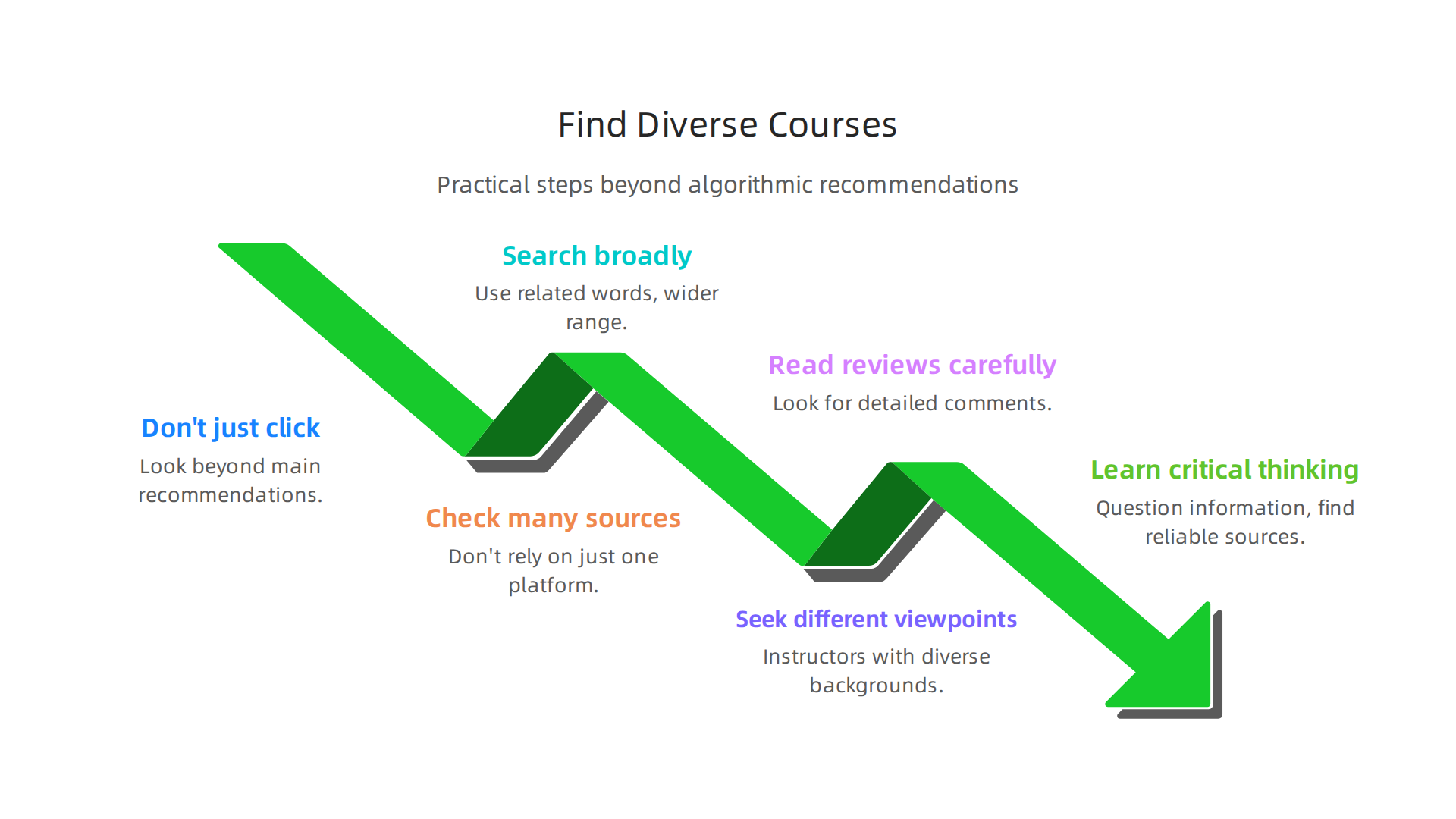
- Don’t just click on the first suggestions: Look beyond the main recommendations. Try different search terms.
- Search broadly: Instead of just one keyword, use related words to find a wider range of courses. For example, if you’re looking for a specific skill, also search for the broader topic it belongs to.
- Check many sources: Don’t rely on just one platform. Look at courses on Udemy Inc, Coursera, or other places that fit your needs. Think about the real
coursera certificate valuefor your goals, and if a traditional certificate or just the knowledge is what you need. - Read reviews carefully: As mentioned before, reviews are key. Look for detailed comments, not just star ratings, to get a full picture.
- Seek out different viewpoints: If you’re learning about a topic, try to find courses from instructors with different backgrounds or teaching styles. This helps avoid a narrow view.
- Learn critical thinking skills: Knowing how to question information and look for reliable sources is super helpful. This means you can better judge if a recommended course is truly good, even if an algorithm pushes it. Being able to look past what’s presented to you and ask deeper questions can help you make better decisions about your learning. You can learn more about this by understanding What is critical thinking: the 5 steps and core skills explained.
Being aware of how these algorithms work helps you take charge of your learning path. It allows you to make informed choices instead of just following what the computer programs suggest. Understanding how you are silently shaped by these systems is an important part of learning in 2026. If you’re curious about how these hidden forces influence your interactions online, you might want to read a Quietly Hijacked note.
While it’s important for individuals to navigate algorithms for their own learning, organizations face a different set of challenges when choosing online training platforms. For companies, understanding data use, privacy, and how a platform fits into their existing systems is key.
Data, privacy, and corporate training: what organizations should ask
When companies use platforms like udemy inc or similar services for employee training, a lot of learner data is collected. This data is used in many ways. For example, it helps personalize what courses employees see, much like individual recommendations. It also feeds into special reports and company dashboards. These dashboards help managers see what skills their teams are building, track who has completed required training, and understand the overall impact of learning programs. This information can be really helpful for companies to make smart choices about training. But, it also brings up big questions about employee privacy and how this data is kept safe. If you’re interested in the careful ways data is handled to make sense of information, you might find more helpful information on CRISP-DM and Skylab USA.
When choosing a learning platform, companies need to be careful.

Here are some important things they should ask:
- Security and Privacy: Is employee learning data safe from hackers? How is personal information protected? These are very important questions because companies have a duty to keep their employees’ data secure.
- Integration with Company Systems: Does the training platform work well with the company’s other tools? This includes things like their Learning Management System (LMS), which tracks all employee learning, or their Human Resources (HR) systems. A platform like
zoom academymight offer great specialized training, but it needs to connect smoothly with a company’s existing setup. This makes managing training much easier. - Measurable Learning Outcomes: How can a company really tell if the training is making employees better at their jobs? It’s not enough to just complete a course. Companies want to see that employees are gaining real skills and that these skills help the business. For example, if an employee takes a
coursera audit course, does it lead to new abilities, or does acoursera certificate valuetruly show a higher skill level? Many educational standards highlight how important it is to check and measure what students learn Evidence To Support Certification in Online Nursing Teaching. This ensures the training budget is well spent and helps employees grow.
Understanding how online learning platforms use data and what questions to ask when choosing one is vital for any organization in 2026. For more details on how corporate training platforms are priced and how to choose the right one, you can read a Udemy Business pricing 2026 a practical guide for learning leaders.
Understanding how online learning platforms use data and what questions to ask when choosing one is vital for any organization in 2026. After picking a platform, the next big step is making sure the training actually helps employees and the company. This means looking closely at the results.
Learning outcomes: measuring impact and return on investment
For companies, knowing if their training budget is well spent is very important. It’s not just about employees finishing courses. It’s about what they learn and how they use it at work. This is how organizations measure the real impact and get a good return on their investment.

Here are the key things to look at:
- Completion Rates: First, do employees even finish the courses? Many online courses, even on popular platforms like
udemy inc, often have low completion rates. Sometimes only a small percentage of people who start a course actually finish it. For example, some studies show online course completion rates can be quite low, even around 7-10% for some programs Your retention, please: Why you’ll never finish that Udemy course …. Companies want to see high completion rates because it means employees are engaged. Platforms might use different methods to boost these rates, like having smaller lessons or offering reminders How Do You Boost Course Completion Rates on Udemy?. - Skill Gain: Did employees actually learn new skills? This is trickier to measure than just course completion. Companies might use tests before and after training, or quizzes within the course to check for new knowledge. If someone takes a
coursera audit courseor gets acoursera certificate value, it implies learning, but a company needs to confirm that skill growth for itself. - Application on the Job: The biggest measure of success is when employees use what they learned in their daily work. For example, if training from a
zoom academyhelped a team leader manage projects better, that’s a direct impact. This can be seen through better work quality, faster task completion, or improved team communication. - Employer Recognition: Do managers notice and value the new skills? When managers see that employees are doing better because of the training, it shows the training is working. This feedback is key to understanding the full picture.
How to design evaluations to measure ROI
To see if training really pays off, companies can run small tests called pilot programs. They can:
- Set Clear Goals: Before training starts, decide exactly what skills employees should gain and how those skills will help the business.
- Gather Starting Information: Measure how employees perform before the training. This is like taking a "before" picture.
- Train a Small Group: Have a small group of employees go through the training.
- Track Progress: During and after the training, look at the metrics mentioned above: completion, skill gain, and especially how they apply new knowledge on the job.
- Compare Results: See if the trained group shows better results than they did before, or better results than a similar group that didn’t get the training. This helps a company decide if the training is truly worth investing in for everyone.
By carefully measuring these things, companies can make sure their online learning choices lead to real growth and a clear return on their training dollars. This thoughtful approach, where judgment holds steady in evaluating outcomes, is a core part of effective critical thinking. If you want to dive deeper into practical ways to improve your analytical abilities, you might want to take a critical thinking course to sharpen your workplace judgment.
Critical thinking works when judgment holds steady. Make Meaning Practical.
Even after picking a learning platform and measuring its impact, companies face another challenge: making sure the information shared is correct and the teaching methods are good.

This is especially true on big online marketplaces like udemy inc, where anyone can upload a course. It’s easy for misinformation, personal biases, or simply bad teaching to creep in.
Think about it this way: the algorithms that show you courses on these platforms often choose what’s most popular or engaging, not always what’s most accurate or helpful for learning. This means that what you see recommended might not always be the best quality. For example, some algorithms on social media often prioritize engagement over real educational value, which can make it hard for students to find good information Algorithmic Bias of Social Media: Should Educators …. These hidden systems can quietly shape what we learn.
Practical Checks for Online Courses
To avoid these problems, companies need to do a few simple checks:
- Triangulation: This just means checking information from a few different places. If a course on
udemy incteaches a new method, does a quick search confirm this method is widely accepted and proven? Do other trusted sources, like a university’s online program or a specificzoom academycourse, say the same thing? If an employee is getting acoursera certificate valuefor a skill, ensure the underlying knowledge is consistent across the industry. - Instructor Vetting: Who is teaching the course? Are they real experts in their field? Look for their background, experience, and any reviews from other students. A quick check of their LinkedIn profile or professional website can tell you a lot.
- Previewing Pedagogy: "Pedagogy" is just a fancy word for how someone teaches. Before committing to a course, watch some preview videos or read the lesson outlines. Does the teacher explain things clearly? Do they use good examples? Is the course structure easy to follow? A
coursera audit coursemight give you a taste of the teaching style before you fully commit.
Organizational Policies for Trusted Learning
Companies can also set up rules to make sure employees learn from the best sources:
- Curating Trusted Course Lists: Instead of letting employees pick any course, companies can create a special list of approved courses from various platforms. This list would only include courses that have been checked for quality, accuracy, and good teaching. This way, employees know they are getting solid information.
- Supplementing Marketplace Content: Sometimes, a course on a platform like
udemy incmight be mostly good but miss a few key points. In these cases, companies can add their own training sessions or materials to fill in the gaps. This could involve an internal expert giving extra lessons or providing company-specific examples.
By taking these steps, organizations can make sure their online learning isn’t just happening, but that it’s also truly helpful, accurate, and fair. Making smart choices about which learning platforms to use, and how to use them, can really change how your team learns and grows. If you’re interested in how different learning platforms compare, especially for critical thinking, you might find it helpful to read about how platforms stack up against each other in terms of content and approach, such as Brave Thinking Institute vs Udemy Which Critical Thinking Platform Changes How You Think.
You might also be interested in how unseen AI systems can subtly guide our interactions and learning paths, influencing the information we encounter daily. Explore the dynamics of these influencing systems by reading this Quietly Hijacked note.
Summary
This article explains why online learning platforms matter in 2026 and offers practical guidance for both individual learners and organizations on how to choose and evaluate them. It describes the marketplace model (with Udemy as a leading example), highlights common concerns—course quality, real-world outcomes, and algorithmic bias—and offers concrete signals to check like instructor background, instructional design, reviews, and sample lessons. The piece also covers how recommendation algorithms can narrow what you see and gives tactics to search more broadly and avoid echo chambers. For companies, it outlines privacy, integration, and measurable outcomes to ask vendors about, plus a five-step pilot approach to measure ROI. Finally, it stresses checks to prevent misinformation, ways to vet instructors, and policies organizations can use to ensure training is accurate and useful.